Art and Naturism: The Lesser-Known History of an Aesthetic Marriage
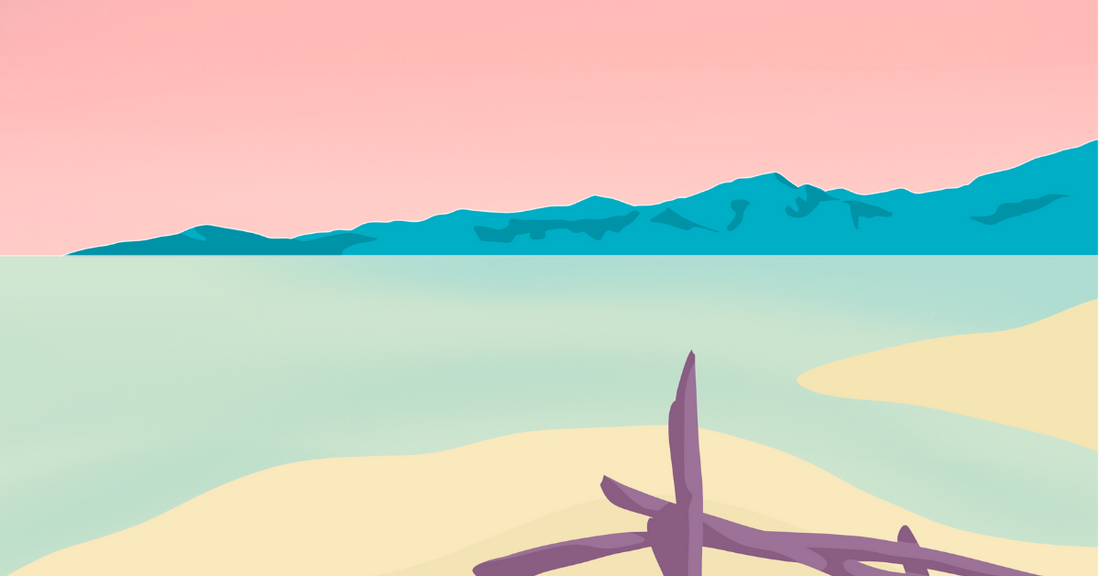
Naturism and Art: An Intimate History
Naturism and art share a deep, often overlooked relationship. Discover how this practice of outdoor nudity has inspired artists and painters through the centuries, giving birth to a rich visual heritage — which I revisit in my own way through my Nus au Soleil poster series.
The History of Naturist Art
Since antiquity, the representation of the nude body has been central in art, a symbol of purity, strength, and harmony with nature. In the 20th century, modern naturism emerged and became an artistic subject in its own right. It celebrates bodily freedom, simplicity, and a lifestyle directly connected to natural elements.
Naturist Art Through the Movements
From the Impressionists to modern artists, many creators have found in naturism a unique source of inspiration. Far from erotica, these works represent the nude body as a peaceful element of the landscape, often bathed in natural light.
In my own creations, I take a step to the side: I choose not to represent bodies, but to focus on the naturist locations themselves—those spaces of freedom, relaxation, and natural beauty. Through my illustrations, I seek to translate what one feels in these places, even without ever showing the bodies that inhabit them.
Historical Naturist Painting
Certain iconic works show scenes of swimming, beaches, or resting in the great outdoors. They embody the naturist spirit ahead of its time, valuing simple, uninhibited nudity in an intimate relationship with the landscape.
A few striking examples:
Paul Cézanne – The Bathers (c. 1900)
A group scene with nude bodies in the open air, devoid of erotic connotation.
Cézanne paints bodies simply, in direct connection with nature.
The spirit of the nude community is very close to the naturist aesthetic.
Edvard Munch – Bathing Men (1907–08)
Several nude bodies on a Norwegian beach, in a gentle atmosphere.
The work evokes bodily freedom, without shame or provocation.
A simple scene of life, bathed in light.
André Lhote – The Bathers (1920s)
Cubist composition of nude figures in a Mediterranean landscape.
This is not an academic nude, but a moment of natural relaxation.
Émile Bernard – Bathers on the Beach (Late 19th – Early 20th Century)
Nude bodies in a simple, luminous Mediterranean setting.
A contemplative tone, far from idealized or provocative nudity.
These works show that the nude body in harmony with the landscape is an ancient artistic subject.
A Cultural and Social Perspective
Naturist art is not limited to aesthetics. It also embodies strong values: freedom, respect, equality, and connection to nature. By representing naturist locations without bodies, I wish to highlight these meaningful landscapes, which embody a free and respectful art of living.
Naturist Art Today: Between Inspiration and Creation
It is in this lineage that my Nus au Soleil project is rooted: a collection of illustrated posters inspired by the finest naturist spots in France. Each illustration pays tribute to a real location—beach, village, or forest—and what it evokes: peace, light, simplicity.
Here, no bodies are represented, but rather evocative landscapes that translate what naturism is without ever showing it frontally. By choosing to represent only the places, I offer a vision of naturism through the landscape, to showcase all its beauty and simplicity.
Discover the Nus au Soleil Collection
Explore all Nus au Soleil posters: Posters available individually, printed in France, in a spirit that is both artistic and committed.
Each visual is designed as an invitation to experience naturism differently: through image, landscape, light—and imagination.